Autore: tartufilaspora

  • Risotto al tartufo uncinato: la ricetta

    In natura troviamo diverse tipologie di tartufo: una delle più popolari, tra gli amanti della buona tavola, è il tartufo uncinato. Questa specie può essere utilizzata per valorizzare tantissime pietanze, come quelle a base di carne e di pesce, nonché una serie di primi piatti.

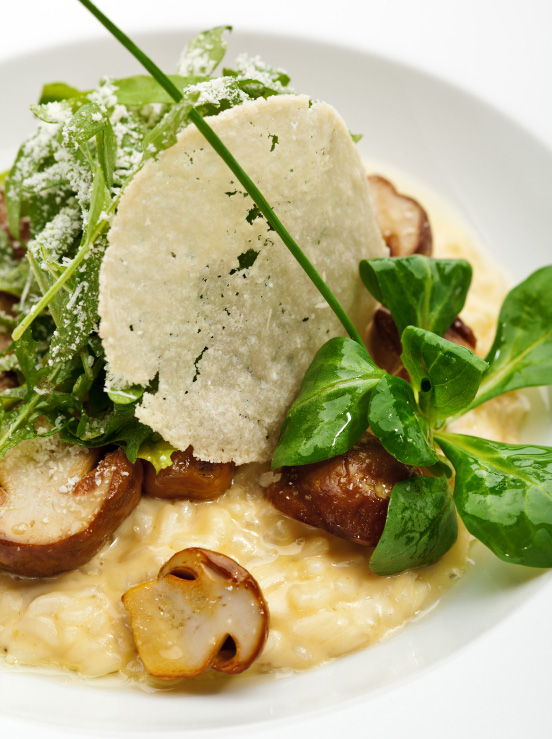
    In questo caso ci soffermiamo sul risotto al tartufo uncinato, un evergreen che soddisfa anche i palati più esigenti. Per realizzare la vivanda servono pochi ingredienti, ma il risultato è prelibato e senza dubbio squisito. L’importante è scegliere un tartufo di elevata qualità, come quelli che mettiamo a disposizione sul nostro shop: il tartufo uncinato fresco è una vera garanzia di eccellenza!

    Gli ingredienti del risotto al tartufo uncinato

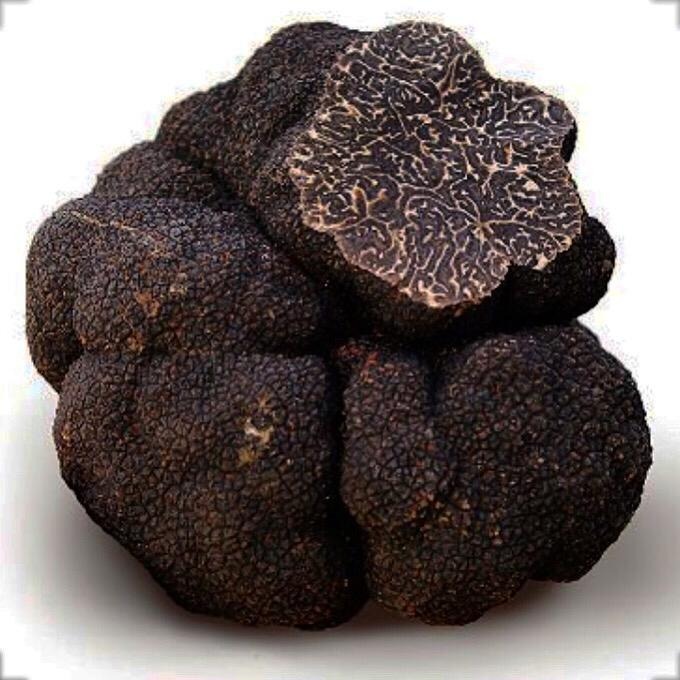
    Come potete facilmente intuire, per questo risotto è fondamentale il tartufo uncinato (40-50 g). Si tratta di un tartufo nero, con la gleba caratterizzata da un colore che ricorda molto quello del cioccolato.

    Il prodotto in questione è profumato, e il suo sapore possiede note di nocciole, grana e funghi porcini. Già da questo capirete quanto sarà speciale il gusto del vostro risotto, con il quale stupirete parenti e amici.

    Oltre al condimento principale, è ovviamente necessario il riso: prediligete quello Carnaroli, circa 180 g per due persone – anche se le quantità sono puramente soggettive.

    Per il resto, la ricetta prevede:

    • 30 g di cipolla;
    • 1 l di brodo vegetale;
    • mezzo bicchiere di vino bianco secco;
    • 40 ml di olio extravergine di oliva;
    • 20 g di burro;
    • 20 g di parmigiano.

    Tutti questi ingredienti sono semplici da reperire in qualunque supermercato o negozio di alimentari. Per quanto riguarda il tartufo uncinato, avete la possibilità di acquistarlo sul nostro e-commerce a un costo decisamente vantaggioso.

    La pulizia del tartufo

    Prima di cucinare il risotto, è indispensabile pulire bene il tartufo.

    Il tartufo uncinato deve essere lasciato in ammollo per 10-15 minuti: la cosa migliore è sistemarlo in una ciotola con acqua fredda. Al termine di questa operazione, fate scorrere un getto d’acqua per eliminare ogni impurità (residui di terreno ecc). Potete aiutarvi con uno spazzolino dotato di setole morbide, per non danneggiare la superficie del tartufo.

    Alla fine, asciugate il tutto. A tale scopo impiegate un panno di cotone, completamente asciutto, oppure un foglio di carta assorbente.

    La preparazione del risotto al tartufo uncinato

    A questo punto, iniziamo a preparare il nostro risotto al tartufo uncinato. Quest’ultimo va grattugiato con l’ausilio di una classica grattugia per formaggio.

    Tagliate a pezzetti la cipolla, e frullatela fino a ricavare una crema densa. Versatela in una padella, unendo un cucchiaio di olio evo e 15 g di burro.

    Bisogna far soffriggere il composto: vedrete che esso diventerà quasi trasparente. È questo il momento in cui si deve integrare il riso, da far tostare su una fiamma media.

    Amalgamate con un mestolo il vino bianco e il brodo vegetale, e mescolate con un cucchiaio di legno. Per la cottura del riso potrebbe volerci un po’ di tempo, ma il segreto in queste circostanze è avere pazienza! Continuate ad aggiungere il brodo vegetale, poco alla volta, e soltanto quando la dose precedente è totalmente assorbita.

    È essenziale che il risultato non sia né acquoso né secco. Bilanciate con attenzione le quantità di brodo vegetale, e mescolate con regolarità (anche per non far attaccare il riso all’interno della padella).

    Intanto prendete il tartufo grattugiato. Miscelatelo, in un pentolino, con 5 g di burro e con il resto dell’olio extravergine d’oliva. Realizzerete una crema, da unire al riso in seguito alla cottura.

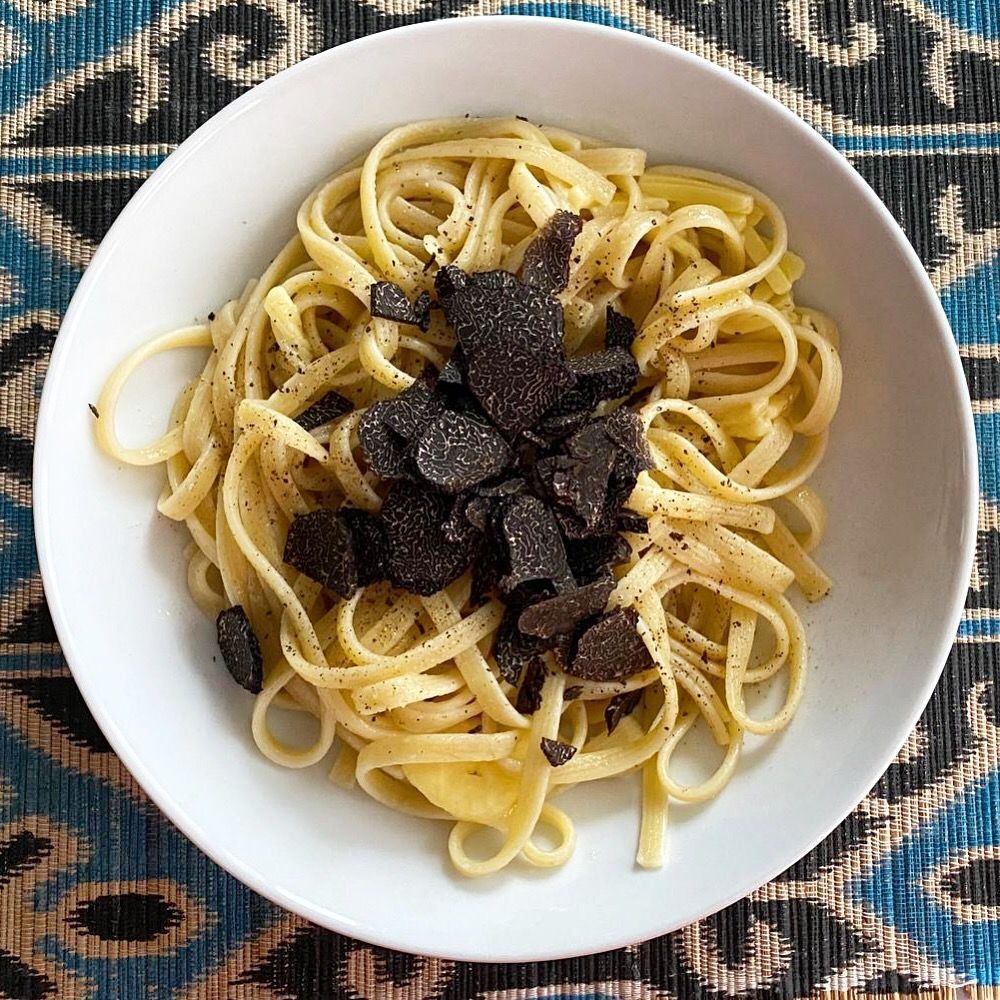
    Mantecate a fuoco basso, anche con il grana grattugiato. Il vostro risotto è pronto per essere servito. Un tocco di classe: guarnite la pietanza con qualche lamella di tartufo affettato!

    Perché il riso Carnaroli?

    Per il risotto al tartufo uncinato abbiamo selezionato il riso Carnaroli. I motivi sono diversi:

    • la forma leggermente allungata dei chicchi si sposa benissimo con il tartufo;
    • la sua consistenza rimane sempre compatta, anche se si sfora di un paio di minuti con la cottura;
    • il condimento viene assorbito alla perfezione;
    • la percentuale di amido è alta, il che è fondamentale per la cremosità del piatto.

    Informazioni utili sul tartufo uncinato

    Il tartufo uncinato, nell’aspetto, è simile a quello estivo; per distinguerlo, gli esperti lo hanno chiamato anche Scorzone Invernale. La raccolta si svolge in linea di massima tra la fine di ottobre e gli inizi di dicembre.

    Questo tartufo può essere conservato per una settimana in frigo, se non riuscite a preparare subito il vostro risotto. Fate solo in modo che il recipiente sia ermetico: altrimenti c’è il rischio che il prodotto si rovini. Avvolgete il tartufo nella carta assorbente, avendo cura di cambiare il foglio ogni giorno.

    Il nostro negozio vi offre sia tartufi uncinati sia molti altri tipi, nonché vivande pronte, salse e condimenti, confezioni regalo e così via. Date un’occhiata al nostro catalogo!
  • Simona D’Abruzzo, dell’Azienda Agricola La Spora, vince il premio Phenomena

    [et_pb_section fb_built=”1″ _builder_version=”3.22″][et_pb_row _builder_version=”3.25″ background_size=”initial” background_position=”top_left” background_repeat=”repeat”][et_pb_column type=”4_4″ _builder_version=”3.25″ custom_padding=”|||” custom_padding__hover=”|||”][et_pb_text _builder_version=”4.9.7″ background_size=”initial” background_position=”top_left” background_repeat=”repeat”]

    La nostra Simona D’Abruzzo, titolare dell’Azienda Agricola La Spora, è la vincitrice di un premio molto importante: quello relativo al settore Food dell’evento chiamato Phenomena. Un salone espositivo dedicato alle imprenditrici dell’Italia meridionale, che con la loro attività promuovono le eccellenze – culinarie, ma non solo – del sud della nostra penisola.

    L’iniziativa è stata strutturata in tre sezioni: Food, Design e Fashion. Tre campi ugualmente importanti nell’economia italiana, che hanno sancito la fama del Bel Paese ovunque all’estero. Il made in Italy è una garanzia, tanto per la moda e per l’oggettistica quanto per la gastronomia.

    L’assegnazione dei premi Phenomena è avvenuta in data 9, 10 e 11 luglio. Per quanto riguarda la location, la scelta è ricaduta sull’Aurum di Pescara: il celeberrimo edificio in stile liberty noto anche come Palazzo Pompilio, che ha fatto da sfondo alla presentazione di 70 aziende gestite da donne.

    [/et_pb_text][/et_pb_column][/et_pb_row][et_pb_row _builder_version=”4.9.7″ _module_preset=”default”][et_pb_column type=”4_4″ _builder_version=”4.9.7″ _module_preset=”default”][et_pb_video src=”https://www.youtube.com/watch?v=TZNderIOxz4″ image_src=”//i.ytimg.com/vi/TZNderIOxz4/hqdefault.jpg” _builder_version=”4.9.7″ _module_preset=”default” max_width=”750px” module_alignment=”center” border_radii=”on|25px|25px|25px|25px” box_shadow_style=”preset4″][/et_pb_video][/et_pb_column][/et_pb_row][et_pb_row _builder_version=”3.25″ background_size=”initial” background_position=”top_left” background_repeat=”repeat”][et_pb_column type=”4_4″ _builder_version=”3.25″ custom_padding=”|||” custom_padding__hover=”|||”][et_pb_text _builder_version=”4.9.7″ background_size=”initial” background_position=”top_left” background_repeat=”repeat”]

    Una manifestazione al femminile, che ha visto emergere nomi come appunto quello di Simona D’Abruzzo. Il business de La Spora, a conduzione familiare, si basa sulla vendita di tartufi coltivati e raccolti personalmente nell’area della Valle del Sangro: a occuparsene sono tutti i membri della famiglia, che hanno trasformato in lavoro la propria passione per i cibi buoni e autentici.

    È con grande orgoglio e commozione che la nostra Simona D’Abruzzo ha ricevuto il premio Food della prima edizione di Phenomena. Una simile onorificenza è carica di valore e di significato, perché non si limita a sottolineare la genuinità e la qualità dei tartufi de La Spora: è anche una dimostrazione della tenacia e della determinazione con cui Simona ha portato avanti il proprio progetto, facendolo emergere nel panorama dell’Italia del sud.

    L’azienda, che ha sede nella provincia dell’Aquila, si è distinta in campo agroalimentare e ha ottenuto un riconoscimento ad hoc. Un traguardo di certo meritato, che darà nuovo slancio al mondo imprenditoriale del nostro meridione.

    [/et_pb_text][/et_pb_column][/et_pb_row][et_pb_row column_structure=”1_3,1_3,1_3″ _builder_version=”4.9.7″ _module_preset=”default”][et_pb_column type=”1_3″ _builder_version=”4.9.7″ _module_preset=”default”][et_pb_image src=”https://www.tartufilaspora.it/wp-content/uploads/2021/07/premio-phenomena2.jpeg” title_text=”premio-phenomena2″ _builder_version=”4.9.7″ _module_preset=”default” border_radii=”on|25px|25px|25px|25px” show_in_lightbox=”on”][/et_pb_image][/et_pb_column][et_pb_column type=”1_3″ _builder_version=”4.9.7″ _module_preset=”default”][et_pb_image src=”https://www.tartufilaspora.it/wp-content/uploads/2021/07/premio-phenomena3.jpeg” title_text=”premio-phenomena3″ _builder_version=”4.9.7″ _module_preset=”default” border_radii=”on|25px|25px|25px|25px” show_in_lightbox=”on”][/et_pb_image][/et_pb_column][et_pb_column type=”1_3″ _builder_version=”4.9.7″ _module_preset=”default”][et_pb_image src=”https://www.tartufilaspora.it/wp-content/uploads/2021/07/premio-phenomena1-1.jpeg” title_text=”premio-phenomena1″ _builder_version=”4.9.7″ _module_preset=”default” hover_enabled=”0″ border_radii=”on|25px|25px|25px|25px” show_in_lightbox=”on” sticky_enabled=”0″][/et_pb_image][/et_pb_column][/et_pb_row][/et_pb_section]

  • Tartufo bianco pregiato: come riconoscerlo?

    Il tartufo bianco pregiato è una vera e propria garanzia di eccellenza e di bontà. Questo straordinario prodotto è noto anche come Tuber Magnatum Pico, ed è la varietà di tartufo più rara in assoluto.

    Dovete sapere che non è possibile coltivare il tartufo bianco: il fungo in oggetto si trova soltanto in natura, il che contribuisce enormemente al suo valore. Ciò significa anche che il costo è superiore, ma in compenso il gusto conferito alle pietanze è a dir poco unico.

    Se desiderate acquistare un ottimo tartufo bianco, date un’occhiata al nostro shop: la qualità dei tartufi freschi che forniamo è molto alta, così da soddisfare al meglio anche gli standard più elevati. I tartufi di stagione da noi messi a disposizione sono raccolti con la massima cura, e sono ideali per arricchire il sapore di numerosi piatti.

    Vediamo, ora, come si riconosce il tartufo bianco pregiato. Vi proponiamo una guida sull’argomento, per aiutarvi a distinguere questo eccezionale alimento e a non confonderlo con tartufi di aspetto simile.

    Descrizione del tartufo bianco

    Il Tuber Magnatum Pico possiede alcune caratteristiche fisiche:

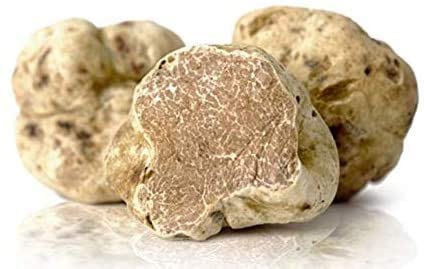
    • la parte esterna, o peridio, è liscia e vellutata. Il colore oscilla tra il crema e l’ocra molto pallido;
    • la parte interna, o gleba, assume sfumature comprese tra il rosa e il marroncino, con strie bianche.

    Questo tartufo, inoltre, è compatto e per nulla molliccio. Se così non fosse, non si tratterebbe di tartufo bianco pregiato! Le tonalità della superficie, dunque, costituiscono solo uno degli elementi peculiari (così come, per esempio, non basta individuare un involucro scuro per riconoscere il tartufo nero pregiato).

    Per quanto riguarda le dimensioni, il Tuber Magnatum Pico è molto versatile: ci sono tartufi bianchi piccoli come noci, e altri grandi come arance. Ciò che conta è che la sagoma sia irregolare, un po’ come quella delle patate, e che tenda a una forma tondeggiante.

    Il profumo del tartufo bianco pregiato

    Un altro dettaglio da tenere a mente, quando si cerca il tartufo bianco pregiato, è il suo odore. L’aroma di questo prodotto è intenso e vagamente pungente: forte e speziato, un mix di bosco e formaggi come il parmigiano. Questo sentore è in grado di impreziosire qualsiasi creazione culinaria.

    Se il profumo è delicato, è probabile che il tartufo non sia ancora maturo o che non sia quello bianco pregiato. Il problema non si pone con i tartufi freschi in vendita sul nostro e-commerce (incluso il Tuber Magnatum Pico), in quanto vengono accuratamente selezionati.

    Tartufo bianco: il prezzo

    Partiamo da un presupposto fondamentale: il tartufo bianco pregiato è contraddistinto da un alto valore di mercato. Tuttavia non c’è un prezzo fisso, anche perché esso varia con:

    • la qualità del fungo;
    • la stagione;
    • la richiesta dei consumatori;
    • la reperibilità.

    La spesa da sostenere potrebbe oscillare di molto persino di settimana in settimana. Ad ogni modo, per fare una stima generica, diciamo che le pezzature piccole si aggirano intorno ai 1.300-1.500 euro al kg, quelle medie sui 2.000 euro al kg, quelle grandi possono arrivare anche ai 3.000-4.000 euro al kg.

    Dove si trova il Tuber Magnatum Pico?

    Abbiamo già evidenziato che il tartufo bianco non è coltivabile, ma cresce solo in natura. Lo si individua in simbiosi con una serie di alberi, come il tiglio, la quercia, il salice e il pioppo.

    Il terreno non sarà mai poco fertile: anzi, il Tuber Magnatum Pico ha bisogno di un suolo ottimale, ben drenato, limoso e con una determinata percentuale di argilla e di sabbia. Meglio ancora se il luogo è leggermente umido, e se non è troppo soleggiato.

    È difficile trovare questo tartufo sopra i 700 m di altitudine. È facile, invece, vederlo in quelle zone che prima erano arate e poi sono state abbandonate, oppure nei boschi di invasione.

    Spazi boschivi, canali di scolo, fossi. Se avvistate in ambienti simili un tartufo che rispecchia la suddetta descrizione, potrebbe trattarsi del Tuber Magnatum Pico.

    Le regioni in cui cresce il tartufo bianco pregiato

    Il tartufo bianco si sviluppa specialmente in alcune regioni italiane:

    • l’Abruzzo;
    • il Piemonte;
    • il Molise;
    • la Toscana;
    • l’Umbria;
    • le Marche.

    Conclusioni

    Vi abbiamo spiegato, quindi, come si riconosce il tartufo bianco pregiato. A tale scopo è importante considerare elementi come il colore, la consistenza, la levigatezza della superficie, il profumo, la collocazione geografica, il tipo di terreno in cui lo si osserva e così via.

    La raccolta avviene, di solito, tra il mese di settembre e quello di dicembre. Date uno sguardo al catalogo del nostro negozio online: avete a disposizione non soltanto tartufi bianchi, ma anche molte altre varietà, pietanze già pronte, utensili per la lavorazione dei tartufi e bellissime confezioni regalo.-

  • Combien de types de truffes existe-t-il?

    Il y en a tellement dans la nature types de truffes: en fait, plus de 60 ont été dénombrés. Cependant, les comestibles ne sont que 9, et parmi ceux-ci sont 6 les espèces habituellement disponibles sur le marché.

    La truffe est un aliment versatile est délicieuse, avec une saveur forte, capable d’embellir de nombreux plats. Découvrons quelles sont les principales truffes, en gardant à l’esprit qu’il vaut toujours mieux les obtenir Frais pour créer des créations gastronomiques authentiques et savoureuses. Par exemple le nôtre magasin offre une large sélection de truffes fraîches, de la truffe blanche à la truffe noire!

    La truffe blanche

    Commençons par le Truffe blanche, dont le nom scientifique est Tuber Magnatum Pico. Un véritable emblème de raffinement et bonté: ce champignon a des caractéristiques organoleptiques extraordinaires, et est très rare. Sa surface est velouté, la couleur est entre le jaune et le blanchâtre.

    types de truffes

    L’une des raisons pour lesquelles la truffe blanche est si appréciée des connaisseurs est son arôme, qui rappelle celle du fromage affiné. Cette délicatesse est typique de Piémont et dans le domaine de Acqualagna, et ce n’est pas un hasard si elle est également connue sous le nom de truffe blanche d’Acqualagna.

    Avec le Tuber Magnatum Pico Oui, ils peuvent enrichir divers plats, comprenant:

    • nouilles;
    • plats principaux de viande ou de poisson;
    • focaccia artisanale;
    • œufs cuits de différentes manières.

    La truffe noire

    le Truffe noire, ou alors Tuber Melanosporum, à son tour se classe parmi les types de truffes les plus populaires. En principe, pour son valeur il est considéré comme le deuxième après la précieuse truffe blanche.

    Cette espèce, à l’extérieur, paraît très irrégulière; le revêtement est sombre avec de petites verrues. Les nuances internes, par contre, sont rougeâtres ou tendant vers le violet.

    La truffe noire a un parfum délicat et harmonieux, parfois sucré. Les principales zones de collecte sont le Piémont, les Marches, l’Ombrie et les Abruzzes. le Tuber Melanosporum est super avec moi Risotto, avec carpaccio de viande et dorade cuite en papillote.

    La truffe de Bourgogne

    le Truffe de Bourgogne il est également connu sous le nom de Scorzone L’hiver ou alors Tuber Uncinatum. Le péridium est presque noir, la pulpe est entre brun clair et noisette.

    L’odeur de cette truffe est un élément distinctif: elle est intense et marquée, de la forte personnalité. le Tuber Uncinatum est très apprécié dans le apéritifs, en compagnie de fromages légers, et dans des plats à base de dinde ou de bœuf. Une des meilleures solutions pour ceux qui veulent un truffe de première classe mais pas prohibitif en termes de coûts.

    La truffe d’été

    Passons à Truffe d’été: Tuber Aestivum, a également dit Scorzone pour ses similitudes avec la truffe de Bourgogne.

    Cette truffe est noir, et pourrait être confondu (par des yeux inexpérimentés) avec le Tuber Melanosporum. Contrairement à ce dernier, cependant, le domaine est l’une des plus truffes peu coûteux, même si cela n’enlève rien à sa valeur.

    La truffe d’été est utilisée à la fois pour les préparations les plus sophistiquées, ainsi que pour les rustiques et les saucisses. A un parfum très équilibré, un extérieur sombre et une pulpe ocre jaune. Ses notes évoquent les bois est les forêts, un cadre parfait pour savourer cette truffe – que vous pouvez trouver dans la nôtre catalogue, ainsi que tous les autres décrits.

    La truffe blanche de printemps

    La truffe blanche de printemps ou Truffe Bianchetto elle est différente de la truffe blanche: sa dénomination scientifique est Tuber borchii Vitt., et un autre terme par lequel il est indiqué est Marzuolo.

    Cette variété peut être achetée à un prix nettement inférieur à celui du Tuber Magnatum Pico, car c’est beaucoup plus répandu dans la nature. Le Marzuolo est globuleux, lisse, de nuances claires; est excellent avec nourriture comment:

    • les gnocchis;
    • fruits de mer crus;
    • les cappelletti;
    • les raviolis.

    le saveur il devient plus décisif à mesure qu’il s’approche maturation. En fin de compte, la truffe Bianchetto sent presque l’ail.

    La truffe Moscato

    Nous terminons notre examen avec le Truffe Moscato, Tubercule Brumale ou Black Trifola. Champignon caractéristique du Piémont, des Abruzzes, des Marches, de la Toscane et du Molise, pratiquement noir à l’extérieur et brunâtre à l’intérieur.

    C’est une de ces truffes à consommer cuit. Il est très polyvalent, recommandé à la fois pour les entrées et pour les premier et deuxième plats. Le parfum fait référence au Noix de muscade, c’est pourquoi on l’appelle ainsi, et al broussailles.

    La truffe Moscato n’est pas parmi les plus connues, mais c’est un allié de tous passionné de bonne chère. Il est également souvent utilisé pour rehausser les pizzas, les wraps et les tartes salées.

    Les truffes sont idéales pour enrichir de nombreux plats, et sont également disponibles en paquet cadeau. Jetez un œil à la notre e-commerce pour en savoir plus et pour en savoir plus sur tous les types!

  • Wie viele Arten von Trüffeln gibt es?

    Es gibt so viele in der Natur Arten von Trüffeln: Tatsächlich wurden mehr als 60 gezählt. Die essbaren sind jedoch nur 9, und unter diesen sind 6 die Arten, die normalerweise auf dem Markt erhältlich sind.

    Der Trüffel ist ein Lebensmittel vielseitig ist köstlich, mit einem starken Geschmack, in der Lage, zahlreiche Gerichte zu verschönern. Lassen Sie uns herausfinden, welche die Haupttrüffel sind, wobei wir bedenken, dass es immer besser ist, diese zu bekommen frisch echte und leckere gastronomische Kreationen zu kreieren. Zum Beispiel bei uns Geschäft bietet eine große Auswahl an frische Trüffel, vom weißen Trüffel bis zum schwarzen Trüffel!

    Der weiße Trüffel

    Beginnen wir mit dem Weißer Trüffel, dessen wissenschaftlicher Name ist Tuber Magnatum Pico. Ein wahres Emblem von Raffinesse und Güte: Dieser Pilz hat außergewöhnliche organoleptische Eigenschaften und ist sehr selten. Seine Oberfläche ist samtig Die Farbe liegt zwischen gelb und weißlich.

    Arten von Trüffeln

    Einer der Gründe, warum der Weiße Trüffel von Kennern so geliebt wird, ist sein Aroma, erinnert an gereiften Käse. Diese Delikatesse ist typisch für Piemont und im Bereich von Acqualagna und es ist kein Zufall, dass es auch als der weiße Trüffel von Acqualagna bekannt ist.

    Mit dem Tuber Magnatum Pico ja, sie können verschiedene Gerichte bereichern, einschließlich:

    • Nudeln;
    • Hauptgerichte von Fleisch oder Fisch;
    • handwerkliche Focaccia;
    • Eier auf verschiedene Weise gekocht.

    Der schwarze Trüffel

    Das Schwarzer Trüffel, oder Tuber Melanosporum Dies zählt wiederum zu den beliebtesten Arten von Trüffeln. Im Prinzip für seine Wert Es gilt nach dem kostbaren weißen Trüffel als zweitwichtigstes.

    Diese Art erscheint äußerlich sehr unregelmäßig; Die Beschichtung ist dunkel mit kleinen Warzen. Die inneren Farbtöne hingegen sind rötlich oder tendieren zu Purpur.

    Der schwarze Trüffel hat einen zarten Duft und harmonisch manchmal süß. Die wichtigsten Sammelgebiete sind Piemont, Marken, Umbrien und Abruzzen. Das Tuber Melanosporum ist toll mit i Risotto, mit Fleischcarpaccio und in Folie gebackener Seebrasse.

    Der Burgunder-Trüffel

    Das Burgunder Trüffel es ist auch bekannt als Scorzone Winter oder Tuber Uncinatum. Das Peridium ist fast schwarz, das Fruchtfleisch liegt zwischen hellbraun und Haselnuss.

    Der Geruch dieser Trüffel ist ein charakteristisches Element: Sie ist intensiv und ausgeprägt, von der starke Persönlichkeit. Das Tuber Uncinatum wird in der sehr geschätzt Vorspeisen, in Begleitung von leichtem Käse und in Gerichten auf Puten- oder Rindfleischbasis. Eine der besten Lösungen für diejenigen, die eine wollen erstklassiger Trüffel aber nicht unerschwinglich in Bezug auf die Kosten.

    Der Sommertrüffel

    Lass uns weitergehen zu Sommertrüffel: Tuber Aestivum, auch gesagt Scorzone für seine Ähnlichkeiten mit dem Burgunder Trüffel.

    Dieser Trüffel ist schwarz und könnte (durch unerfahrene Augen) mit dem verwechselt werden Tuber Melanosporum. Im Gegensatz zu letzterem ist das Estate jedoch einer der meisten Trüffel billig , auch wenn dies seinen Wert nicht beeinträchtigt.

    Der Sommertrüffel wird sowohl für die anspruchsvollsten Zubereitungen als auch für Rustikale und Würste verwendet. Hat ein sehr ausgewogener Duft, ein dunkles Äußeres und ein gelb-ockerfarbenes Fruchtfleisch. Seine Notizen rufen hervor Wald ist Wälder, ein perfekter Kontext, um diesen Trüffel zu genießen – den Sie in unserem finden können Katalog sowie alle anderen beschriebenen.

    Der frühlingsweiße Trüffel

    Der frühlingsweiße Trüffel oder Bianchetto-Trüffel es unterscheidet sich vom Weißen Trüffel: seine wissenschaftliche Bezeichnung ist Tuber borchii Vitt. und ein anderer Begriff, durch den es angezeigt wird, ist Marzuolo.

    Diese Sorte kann zu einem deutlich günstigeren Preis als die gekauft werden Tuber Magnatum Pico, da es viel mehr ist in der Natur weit verbreitet. Der Marzuolo ist kugelförmig, glatt und hat helle Farbtöne. ist ausgezeichnet mit Lebensmittel Wie:

    • die Gnocchi;
    • rohe Meeresfrüchte;
    • die Cappelletti;
    • die Ravioli.

    Das Geschmack es wird entscheidender, wenn es sich nähert Reifung. Am Ende riecht der Bianchetto-Trüffel fast nach Knoblauch.

    Der Moscato-Trüffel

    Wir beenden unsere Überprüfung mit dem Moscato-Trüffel, Tuber Brumale oder schwarze Trifola. Ein charakteristischer Pilz aus Piemont, Abruzzen, Marken, Toskana und Molise, außen praktisch schwarz und innen bräunlich.

    Dies ist einer dieser Trüffel, die konsumiert werden sollten gekocht. Es ist sehr vielseitig und wird sowohl für Vorspeisen als auch für erste und zweite Gänge empfohlen. Der Duft bezieht sich auf die Muskatnuss, weshalb es so genannt wird, et al Unterholz.

    Der Moscato-Trüffel gehört nicht zu den bekanntesten, ist aber ein Verbündeter von allen leidenschaftlich über gutes Essen. Es wird auch oft verwendet, um Pizzen, Wraps und herzhafte Kuchen zu verfeinern.

    Trüffel sind ideal für die Bereicherung vieler Gerichte und auch in erhältlich Geschenkpaket. Schauen Sie sich das an unser E-Commerce um mehr zu lernen und um mehr über alle Arten zu erfahren!

  • How many types of truffles are there?

    There are so many in nature types of truffles: in fact, more than 60 have been counted. However, the edible ones are only 9, and among these are 6 the species that are usually available on the market.

    The truffle is a food versatile is delicious, with a strong flavor, able to embellish numerous dishes. Let’s find out which are the main truffles, bearing in mind that it is always better to get those fresh to create genuine and tasty gastronomic creations. For example ours shop provides a large selection of fresh truffles, from White Truffle up to Black Truffle!

    The White Truffle

    Let’s start with the White truffle , whose scientific name is Tuber Magnatum Pico. A true emblem of refinement and goodness: this mushroom has extraordinary organoleptic characteristics, and is very rare. Its surface is velvety , the color is between yellow and whitish.

    types of truffles

    One of the reasons why the White Truffle is so loved by connoisseurs is his aroma, reminiscent of that of aged cheese. This delicacy is typical of Piedmont and in the area of Acqualagna , and it is no coincidence that it is also known as the White Truffle of Acqualagna.

    With the Tuber Magnatum Pico Yes they can enrich various dishes, including:

    • noodles;
    • main courses of meat or fish;
    • artisanal focaccia;
    • eggs cooked in different ways.

    The Black Truffle

    The Black truffle, or Tuber Melanosporum, in turn ranks among the most popular types of truffles. In principle, for his value it is considered second only to the Precious White Truffle.

    This species, on the outside, appears very irregular; the coating is dark with small warts. The internal shades, on the other hand, are reddish or tending to purple.

    The Black Truffle has a delicate scent and harmonious, sometimes sweet. The major collection areas are Piedmont, Marche, Umbria and Abruzzo. The Tuber Melanosporum is great with i risotto , with meat carpaccio and sea bream baked in foil.

    The Burgundy Truffle

    The Burgundy Truffle it is also known as Scorzone Winter or Tuber Uncinatum . The peridium is almost black, the pulp is between light brown and hazelnut.

    The smell of this truffle is a distinctive element: it is intense and marked, from the strong personality. The Tuber Uncinatum is much appreciated in the appetizers, in the company of light cheeses, and in dishes based on turkey or beef. One of the best solutions for those who want a top class truffle but not prohibitive in terms of costs.

    The Summer Truffle

    Let’s move on to Summer Truffle: Tuber Aestivum, also said Scorzone for its similarities with the Burgundy truffle.

    This truffle is black, and could be confused (by inexperienced eyes) with the Tuber Melanosporum. Unlike the latter, however, the Estate is one of the most truffles cheap, even if this does not detract from its value.

    The Summer Truffle is used both for the most sophisticated preparations, as well as for rustic and sausages. Has a very balanced scent, a dark exterior and a yellow-ocher pulp. Its notes evoke woods is forests, a perfect context to savor this truffle – which you can find in ours catalog, as well as all the others described.

    The Spring White Truffle

    The Spring White Truffle or Bianchetto truffle it is different from the White Truffle: its scientific denomination is Tuber borchii Vitt. , and another term by which it is indicated is Marzuolo .

    This variety can be purchased at a significantly lower price than the Tuber Magnatum Pico, since it is much more widespread in nature. The Marzuolo is globular, smooth, of light shades; is excellent with foods how:

    • the gnocchi;
    • raw seafood;
    • the cappelletti;
    • the ravioli.

    The flavor it becomes more decisive as it approaches maturation. In the end, the Bianchetto Truffle almost smells like garlic.

    The Moscato Truffle

    We end our review with the Moscato truffle, Tuber Brumale or Black Trifola. A characteristic mushroom of Piedmont, Abruzzo, Marche, Tuscany and Molise, practically black on the outside and brownish on the inside.

    This is one of those truffles that should be consumed cooked. It is very versatile, recommended both for appetizers and for first and second courses. The scent refers to the nutmeg, which is why it is so called, et al undergrowth.

    The Moscato Truffle is not among the most famous, but it is an ally of all passionate about good food. It is also often used to enhance pizzas, wraps and savory pies.

    Truffles are ideal for enriching many dishes, and are also available in gift package. Take a look at the our e-commerce to learn more, and to learn more about all types!

  • Quanti tipi di tartufo esistono?

    In natura esistono tantissime tipologie di tartufo: in effetti, ne sono state contate più di 60. Tuttavia quelle commestibili sono soltanto 9, e tra queste sono 6 le specie che di solito sono disponibili sul mercato.

    Il tartufo è un alimento versatile e delizioso, dal sapore deciso, in grado di impreziosire numerosi piatti. Scopriamo insieme quali sono i principali tartufi, tenendo presente che è sempre meglio procurarsi quelli freschi per realizzare creazioni gastronomiche genuine e gustose. Ad esempio il nostro shop fornisce una vasta selezione di tartufi freschi, dal Bianco Pregiato all’Uncinato fino al Nero Pregiato!

    Il Tartufo Bianco

    Iniziamo con il Tartufo Bianco, il cui nome scientifico è Tuber Magnatum Pico. Un vero emblema di raffinatezza e di bontà: questo fungo ha caratteristiche organolettiche straordinarie, ed è molto raro. La sua superficie è vellutata, il colore è tra il giallo e il biancastro.

    tipi di tartufo

    Uno dei motivi per cui il Tartufo Bianco è tanto amato dagli intenditori è il suo aroma, che ricorda quello del formaggio stagionato. Tale prelibatezza è tipica del Piemonte e della zona di Acqualagna, e non a caso è nota anche come Tartufo Bianco di Acqualagna.

    Con il Tuber Magnatum Pico si possono arricchire varie pietanze, tra cui:

    • tagliatelle;
    • secondi di carne o di pesce;
    • focacce artigianali;
    • uova cucinate in modi diversi.

    Il Tartufo Nero

    Il Tartufo Nero, o Tuber Melanosporum, si colloca a sua volta tra i tipi di tartufo più popolari. In linea di massima, per il suo valore è ritenuto secondo soltanto al Tartufo Bianco Pregiato.

    Questa specie, all’esterno, appare molto irregolare; il rivestimento è scuro con piccole verruche. Le sfumature interne, invece, sono rossicce o tendenti al viola.

    Il Tartufo Nero Pregiato ha un profumo delicato e armonioso, a tratti dolce. Le maggiori aree di raccolta sono il Piemonte, le Marche, l’Umbria e l’Abruzzo. Il Tuber Melanosporum è ottimo con i risotti, con il carpaccio di carne e con l’orata al cartoccio.

    Il Tartufo Uncinato

    Il Tartufo Nero Uncinato è conosciuto anche come Scorzone Invernale o Tuber Uncinatum. Il peridio è quasi nero, la polpa è tra il marrone chiaro e il nocciola.

    L’odore di questo tartufo è un elemento distintivo: è intenso e marcato, dalla forte personalità. Il Tuber Uncinatum è molto apprezzato negli antipasti, in compagnia di formaggi leggeri, e nelle vivande a base di carne di tacchino o di manzo. Una delle migliori soluzioni per chi desidera un tartufo di gran classe ma non proibitivo a livello di costi.

    Il Tartufo Estivo

    Passiamo al Tartufo Estivo: Tuber Aestivum, altresì detto Scorzone per le sue somiglianze con il Tartufo Uncinato.

    Questo tartufo è nero, e potrebbe essere confuso (da occhi poco esperti) con il Tuber Melanosporum. Al contrario di quest’ultimo, però, l’Estivo è uno dei tartufi più economici, anche se ciò non toglie nulla al suo pregio.

    Il Tartufo Estivo è utilizzato sia per le preparazioni più sofisticate, sia per rustici e insaccati. Ha un sentore molto equilibrato, un esterno scuro e una polpa giallo-ocra. Le sue note evocano boschi e foreste, un contesto perfetto per assaporare questo tartufo – che trovate nel nostro catalogo, così come tutti gli altri descritti.

    Il Tartufo Bianchetto

    Il Tartufo Bianchetto è diverso da quello Bianco Pregiato: la sua denominazione scientifica è Tuber borchii Vitt., e un altro termine con cui è indicato è Marzuolo.

    Questa varietà è acquistabile a un prezzo sensibilmente inferiore rispetto al Tuber Magnatum Pico, poiché è molto più diffusa in natura. Il Marzuolo è globoso, liscio, di tonalità chiare; è eccellente con cibi come:

    • gli gnocchi;
    • le crudità di mare;
    • i cappelletti;
    • i ravioli.

    L’aroma si fa più deciso man mano che si avvicina la maturazione. Alla fine, il Tartufo Bianchetto ha quasi un odore di aglio.

    Il Tartufo Moscato

    Terminiamo la nostra rassegna con il Tartufo Moscato, Tuber Brumale o Trifola Nera. Un fungo caratteristico del Piemonte, dell’Abruzzo, delle Marche, della Toscana e del Molise, praticamente nero all’esterno e brunastro all’interno.

    Questo è uno di quei tartufi che bisognerebbe consumare cotti. È molto versatile, consigliato tanto per gli antipasti quanto per i primi e per i secondi. Il sentore rimanda alla noce moscata, ragion per cui è così chiamato, e al sottobosco.

    Il Tartufo Moscato non è tra i più celebri, ma è alleato di tutti gli appassionati della buona tavola. È spesso usato anche per valorizzare pizze, piadine e torte salate.

    I tartufi sono ideali per arricchire molti piatti, e sono disponibili anche in confezioni regalo. Date uno sguardo al nostro e-commerce per approfondire, e per conoscere meglio tutte le tipologie!

  • Comment reconnaître la truffe noire prisée

    Connaître reconnaître la truffe noire prisée , aussi connu sous le nom Noir doux , il est important pour tous les palais exigeants qui aiment cet ingrédient prestigieux et raffiné. Pour être sûr de trouver un produit de qualité, il faut être conscient de toutes les caractéristiques et prérogatives qui distinguent la truffe noire prisée, qui – comme toutes les autres variétés – est composée d’une pulpe interne et d’une croûte externe: la le premier est appelé gleba, tandis que le second a le nom de péridium. Cependant, pour distinguer une truffe noire prisée, il faut aussi savoir où se forme cet ingrédient.

    L’origine géographique

    Ce type de truffe est récolté – en effet, pour utiliser la terminologie la plus correcte, il est extrait – dans la période comprise entre le 15 novembre et le 15 mars: c’est précisément pour cette raison que dans la plupart des cas, il est utilisé pour la préparation de. plats d’hiver.

    truffe noire

    En ce qui concerne notre pays, le précieux noir des Apennins de l’Ombrie et des Marches, celui du Molise et du Abruzzes et, au nord, celle du Piémont. Si vous souhaitez vous adonner à un court voyage hors des frontières nationales, cependant, on ne peut manquer de mentionner la Truffe du Périgord, qui est la truffe noire qui se forme dans la région française du Périgord.

    Voulez-vous goûter la meilleure truffe noire des Abruzzes? Découvrez maintenant sur le nôtre magasin!

    Ce que vous devez savoir pour reconnaître la truffe noire prisée

    le truffe noire en fait l’un des plus utilisés dans le domaine culinaire; sa polyvalence est appréciée, ce qui en fait un ingrédient adapté à une grande variété de préparations, mais on ne peut s’empêcher de mentionner son parfum particulier.

    Ce champignon souterrain aime les sols plutôt exposés au soleil, perméables et à composition calcaire. En ce qui concerne les espèces d’arbres symbiotiques, il faut cependant mentionner le charme noir, le tilleul et le chêne duveteux, mais aussi le chêne-dinde, la noisette et le chêne vert.

    Comment comprendre si vous êtes en présence d’une truffe noire prisée

    Et nous voici à l’analyse des caractéristiques qu’il faut prendre en considération pour comprendre si ce à quoi nous sommes confrontés est une truffe de qualité ou non. Tout d’abord, le péridium doit être ridé et, évidemment, de couleur noire, avec de nombreuses verrues petites et sombres qui ont contribué au choix du nom scientifique Melanosporum pour cette variété de truffe.

    truffe noire

    En ce qui concerne la Taille , par contre, il n’y a pas de norme et elles peuvent être de tous types: il y a de précieuses truffes noires de la taille d’une pomme de terre et d’autres qui, plutôt , ne dépassez pas la taille d’une noisette. Dans tous les cas, cependant, le parfum est agréable et plutôt délicat, jamais trop intense. La forme est assez régulière et arrondie, tandis que la gleba va du violacé au noir, avec de fines veines claires qui la sillonnent: des veines qui peuvent devenir rougeâtres en cas d’exposition à l’air.

    Enfin, pour reconnaître le Melanosporum ne peut pas manquer le test du goût. Eh bien, sa saveur est particulière, non loin d’être sucrée: c’est la raison pour laquelle on parle aussi de truffes douces.

    Si vous voulez être sûr de consommer le meilleure truffe noire , mûr au bon moment et super sélectionné, vous pouvez l’acheter immédiatement dans notre boutique en ligne!

    Le prix de la truffe noire prisée

    Si la truffe noire on l’appelle ainsi, il est facile de comprendre que sa valeur sur le marché n’est pas la plus abordable: en fait on parle de la plus chère de toutes les truffes noires, même si les prix vertigineux des truffes blanches ne sont pas atteints. Comme pour tout type de truffe, cependant, il n’y a pas de prix standard pour le noir prisé, car sa valeur change en fonction de nombreux facteurs en permanence, non seulement entre une saison et une autre, mais également au cours de la même saison.

    Les variables qui entrent en jeu de ce point de vue sont nombreuses: tout d’abord la demande du marché, mais aussi la quantité de produit qui est collectée dans un certain laps de temps. Deux autres aspects décisifs sont donc la qualité et la taille des spécimens : ceux sans défauts coûtent plus cher, et il en va de même pour les plus grandes tailles, évidemment pour le même poids.

    Combien est dépensé pour la truffe noire prisée

    Bref, apprenez à reconnaître le Noir doux c’est aussi important car la dépense qui doit être engagée pour son achat ne doit pas être sous-estimée: on parle d’un prix qui, plus ou moins, se situe entre un minimum de 5300 € le kilo et un maximum de 900 €.

    Comme mentionné, cependant, si vous avez affaire à des spécimens de taille considérable, les prix peuvent augmenter, étant entendu que d’une saison à l’autre les variations peuvent être importantes. Pour vous faire une idée, il suffit de vous référer aux sacs de truffes.

    Si vous souhaitez acheter le meilleur produit du marché à un prix très compétitif, visitez notre magasin maintenant!

  • Wie man den wertvollen schwarzen Trüffel erkennt

    Kennt Erkenne den wertvollen schwarzen Trüffel , auch bekannt als Süßes Schwarz Es ist wichtig für alle anspruchsvollen Gaumen, die diese prestigeträchtige und raffinierte Zutat lieben. Um ein Qualitätsprodukt zu finden, müssen alle Merkmale und Vorrechte bekannt sein, die den wertvollen schwarzen Trüffel auszeichnen, der – wie alle anderen Sorten – aus einem inneren Fruchtfleisch und einer äußeren Schale besteht: dem Das erste heißt Gleba, während das zweite den Namen Peridium trägt. Um einen wertvollen schwarzen Trüffel zu unterscheiden, muss man jedoch auch wissen, wo dieser Inhaltsstoff gebildet wird.

    Die geografische Herkunft

    Diese Art von Trüffel wird in der Zeit zwischen dem 15. November und dem 15. März geerntet – um die korrekteste Terminologie zu verwenden, wird sie abgebaut – und genau aus diesem Grund wird sie in den meisten Fällen zur Herstellung von Trüffeln verwendet Wintergerichte.

    schwarzer Trüffel

    Für unser Land das kostbare Schwarz des Apennins von Umbrien und Marken, das von Molise und des Abruzzen und im Norden das des Piemont. Wenn Sie sich jedoch eine kurze Reise außerhalb der Landesgrenzen gönnen möchten, sollten Sie unbedingt den Truffe du Périgord erwähnen, den schwarzen Trüffel, der in der französischen Region Périgord gebildet wird.

    Möchten Sie den besten schwarzen Trüffel der Abruzzen probieren? Finden Sie es jetzt bei uns heraus Geschäft!

    Was Sie wissen müssen, um den wertvollen schwarzen Trüffel zu erkennen

    Das schwarzer Trüffel macht es zu einem der am häufigsten verwendeten im kulinarischen Bereich; Seine Vielseitigkeit wird geschätzt, was es zu einer Zutat macht, die für eine Vielzahl von Zubereitungen geeignet ist, aber man kann nicht anders, als seinen besonderen Geruch zu erwähnen.

    Dieser unterirdische Pilz liebt Böden, die eher der Sonne ausgesetzt, durchlässig und kalkhaltig sind. Bei den symbiotischen Baumarten sollten wir jedoch die schwarze Hainbuche, die Linde und die Falscheiche erwähnen, aber auch die Truthahneiche, die Haselnuss und die Steineiche.

    Wie man versteht, wenn man sich in der Gegenwart eines wertvollen schwarzen Trüffels befindet

    Und hier sind wir bei der Analyse der Merkmale, die berücksichtigt werden müssen, um zu verstehen, ob es sich bei dem, was uns gegenübersteht, um einen hochwertigen Trüffel handelt oder nicht. Zuallererst muss das Peridium faltig und offensichtlich schwarz sein, mit vielen kleinen und dunklen Warzen, die zur Wahl des wissenschaftlichen Namens beigetragen haben Melanosporum für diese Sorte Trüffel.

    schwarzer Trüffel

    Wie für die Größe Auf der anderen Seite gibt es keinen Standard und sie können von allen Arten sein: Es gibt kostbare schwarze Trüffel, die so groß sind wie eine Kartoffel, und andere, die, stattdessen Überschreiten Sie nicht die Größe einer Haselnuss. In allen Fällen ist der Duft jedoch angenehm und eher zart, niemals übermäßig intensiv. Die Form ist ziemlich regelmäßig und abgerundet, während die Gleba von violett bis schwarz reicht, mit klaren, dünnen Adern, die sie furchen: Venen, die bei Lufteinwirkung rötlich werden können.

    Schließlich, um die zu erkennen Melanosporum kann den Geschmackstest nicht verpassen. Nun, sein Geschmack ist eigenartig, nicht weit davon entfernt, süß zu sein: Dies ist der Grund, warum wir auch von süßen Trüffeln sprechen.

    Wenn Sie sicher sein möchten, dass Sie die verbrauchen beste schwarze Trüffel , am richtigen Punkt reif und super ausgewählt, können Sie es sofort in unserem Online-Shop kaufen!

    Der Preis für den begehrten schwarzen Trüffel

    Wenn die schwarzer Trüffel es heißt so, es ist leicht zu verstehen, dass sein Wert auf dem Markt nicht der günstigste ist: Tatsächlich sprechen wir über den teuersten aller schwarzen Trüffel, selbst wenn die schwindelerregenden Preise für weiße Trüffel nicht erreicht werden. Wie bei jeder Art von Trüffel gibt es jedoch keinen Standardpreis für das begehrte Schwarz, da sich sein Wert aufgrund zahlreicher Faktoren ständig ändert, nicht nur zwischen einer Saison, sondern auch während derselben Saison.

    Unter diesem Gesichtspunkt kommen viele Variablen ins Spiel: vor allem die Marktnachfrage, aber auch die Menge des Produkts, das in einem bestimmten Zeitraum gesammelt wird. Zwei weitere entscheidende Aspekte sind also die Qualität und die Größe der Proben : diejenigen ohne Mängel kosten mehr, und das gleiche gilt für größere Größen, offensichtlich bei gleichem Gewicht.

    Wie viel wird für den wertvollen schwarzen Trüffel ausgegeben?

    Kurz gesagt, lernen Sie das zu erkennen Süßes Schwarz Dies ist auch deshalb wichtig, weil die Kosten, die für den Kauf anfallen müssen, nicht zu unterschätzen sind: Wir sprechen von einem Preis, der mehr oder weniger zwischen einem Minimum von 5.300 € pro Kilo und einem Maximum von 900 € liegt.

    Wie bereits erwähnt, können sich die Preise jedoch erhöhen, wenn Sie mit Exemplaren von beträchtlicher Größe arbeiten, wobei zu verstehen ist, dass die Abweichungen von Saison zu Saison erheblich sein können. Um sich ein Bild zu machen, beziehen Sie sich einfach auf die Trüffelbeutel.

    Wenn Sie das beste Produkt auf dem Markt zu einem sehr günstigen Preis kaufen möchten, Besuchen Sie jetzt unseren Shop!

  • How to recognize the prized black truffle

    Know recognize the prized black truffle , also known as Sweet black , it is important for all demanding palates who love this prestigious and refined ingredient. To be sure of finding a quality product, it is necessary to be aware of all the characteristics and prerogatives that distinguish the prized black truffle, which – just like all other varieties – is made up of an internal pulp and an external rind: the the first is called gleba, while the second has the name of peridium. To distinguish a prized black truffle, however, one must also know where this ingredient is formed.

    The geographical origin

    This type of truffle is harvested – indeed, to use the most correct terminology, it is quarried – in the period of time between November 15 and March 15: it is precisely for this reason that in most cases it is used for the preparation. of winter dishes.

    black truffle

    As far as our country is concerned, the precious black of the Umbrian and Marche Apennines, that of Molise and of the Abruzzo and, in the North, that of Piedmont. If you want to indulge in a short trip outside the national borders, however, one cannot fail to mention the Truffe du Périgord, which is the black truffle that is formed in the French region of Périgord.

    Do you want to taste the best prized black truffle of Abruzzo? Find out now on ours shop!

    What you need to know to recognize the prized black truffle

    The black truffle makes it one of the most used in the culinary field; its versatility is appreciated, which makes it an ingredient suitable for a great variety of preparations, but one cannot help but mention its peculiar scent.

    This underground fungus loves soils that are rather exposed to the sun, permeable and with a calcareous composition. As for the symbiotic tree species, however, we should mention the black hornbeam, the lime tree and the downy oak, but also the turkey oak, the hazelnut and the holm oak.

    How to understand if you are in the presence of a prized black truffle

    And here we are at the analysis of the characteristics that it is necessary to take into consideration to understand if what we are facing is a quality truffle or not. First of all, the peridium must be wrinkled and, obviously, black in color, with many small and dark warts that contributed to the choice of the scientific name Melanosporum for this variety of truffle.

    black truffle

    As for the size , on the other hand, there is no standard and they can be of all types: there are precious black truffles as large as a potato and others that, instead , do not exceed the size of a hazelnut. In all cases, however, the scent is pleasant and rather delicate, never excessively intense. The shape is quite regular and rounded, while the gleba ranges from purplish to black, with clear thin veins that furrow it: veins that can become reddish in case of exposure to air.

    Finally, to recognize the Melanosporum can not miss the test of taste. Well, its flavor is peculiar, not far from being sweet: this is the reason why we also speak of sweet truffles.

    If you want to be sure you are consuming the best black truffle , ripe at the right point and super selected, you can buy it immediately from our online shop!

    The price of the prized black truffle

    If the black truffle it is called that, it is easy to understand that its value on the market is not the most affordable: in fact we are talking about the most expensive of all black truffles, even if the dizzying prices of white truffles are not reached. As with any type of truffle, however, there is no standard price for the prized black, as its value changes according to numerous factors constantly, not only between one season and another but also during the same season. .

    The variables that come into play from this point of view are many: first of all the market demand, but also the quantity of product that is collected in a certain period of time. Two other decisive aspects are, then, the quality and the size of specimens : those without defects cost more, and the same applies to larger sizes, obviously for the same weight.

    How much is spent on the prized black truffle

    In short, learn to recognize the Sweet black it is also important because the expense that must be incurred for its purchase is not to be underestimated: we are talking about a price that, more or less, is between a minimum of € 5,300 per kilo and a maximum of € 900.

    As mentioned, however, if you are dealing with specimens of considerable size, the prices can increase, it being understood that from one season to another the variations can be substantial. To get an idea, just refer to the truffle bags.

    If you want to buy the best product on the market at a very competitive price, visit our store now!